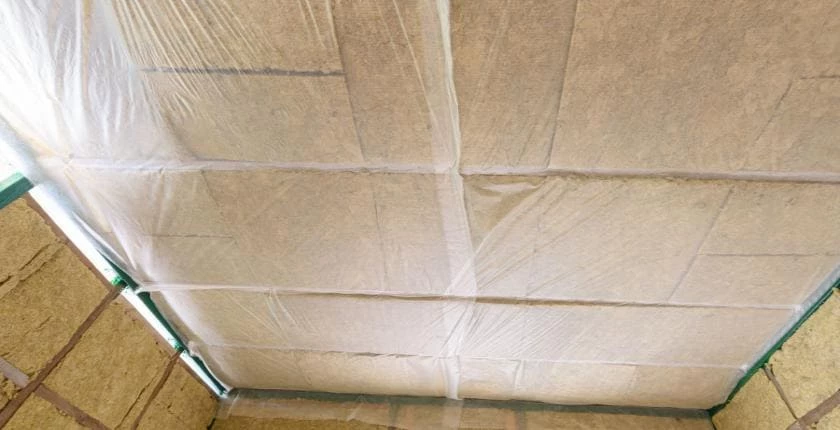
Loft Lining
Get in TouchAt Loft Creations, internal roof spaces are finished and refined to create cleaner, more usable loft environments for homes and across the UK. Loft lining focuses on enclosing exposed rafters and structural elements to improve appearance, comfort, and practicality while supporting insulation and airflow requirements.
From partial lining for storage lofts to full lining for converted or upgraded spaces, loft lining provides a durable internal finish that enhances both function and long-term performance.
How Can Loft Lining Improve the Usability of Loft Spaces?
Loft lining improves usability by enclosing exposed roof structures, reducing dust, and creating a cleaner internal environment. Lined surfaces make lofts easier to navigate, store items in, and maintain over time.
When combined with proper insulation and ventilation, loft lining also contributes to better temperature control and overall comfort within the roof space.
How Much Does Loft Lining Cost?
The cost of loft lining starts from around £500 to £800 for basic partial lining and rises to £1,500–£3,000 or more for fully lined loft spaces.
Costs are influenced by factors such as loft size, access conditions, type of lining materials used, fire-rating requirements, insulation integration, and whether the lining is part of a wider refurbishment or conversion.
Contact Loft Creations to receive a clear, tailored quote based on your loft size and lining requirements.
Which Lining Materials Are Commonly Used in Lofts Across ?
Loft lining typically uses materials selected for safety, durability, and performance, including:
Standard plasterboard – Used for basic lining where fire resistance is not a primary requirement.
Fire-rated plasterboard – Installed where enhanced fire protection is required.
Moisture-resistant boards – Suitable for lofts with higher humidity or limited ventilation.
Insulated plasterboard – Combines lining and insulation in one system for space efficiency.
Is Loft Lining Suitable for Both Storage and Converted Lofts?
Loft lining is suitable for both storage lofts and habitable or semi-habitable spaces. In storage lofts, lining improves cleanliness and protects insulation, while in converted lofts, it forms part of the internal wall and ceiling finish.
The level of lining and material specification is adjusted depending on whether the space is intended for storage, occasional use, or regular occupancy.
Can Loft Lining Be Installed Around Insulation and Services?
Loft lining is installed with careful consideration of existing insulation, wiring, pipework, and ventilation routes.
Linings are fixed in a way that avoids compressing insulation and maintains required airflow paths. Access panels can also be incorporated to allow future access to services without disrupting the finished lining.
What Does Loft Lining Typically Include for Homes?
Loft lining focuses on creating a clean, enclosed, and finished internal shell within the roof space, commonly including:
Plasterboard or fire-rated boards – Fixed to walls, ceilings, and sloped roof sections to form smooth internal surfaces.
Vapour control layers – Installed behind linings to manage moisture and prevent condensation build-up.
Prepared surfaces for finishing – Jointed or skimmed boards ready for painting, decorating, or further fit-out.
Insulation integration – Linings fitted in coordination with insulation to maintain thermal performance and compliance.
Is Loft Lining Safe and Compliant for Long-Term Use?
Loft lining is safe for long-term use when installed to current building standards and manufacturer guidelines. Installers ensure fixings are secure, fire resistance is addressed where necessary, and ventilation is not restricted.
Structural checks are also carried out to confirm that existing roof elements can support the lining system.
Does Loft Lining Affect Energy Efficiency Homes?
Loft lining can positively support energy efficiency when integrated correctly with insulation and vapour control layers.
While lining itself is not a primary insulation measure, it helps protect insulation performance and reduce draughts within the loft. Proper detailing also reduces condensation risk, supporting long-term thermal efficiency.
Can Loft Access Be Retained or Improved With Loft Lining?
Loft lining can be installed alongside access improvements such as lined loft hatches, insulated access panels, and framed openings.
These features maintain a consistent internal finish while ensuring the loft remains accessible for storage or maintenance. Access points are positioned and finished to suit the loft layout and household needs.
How Long Does Loft Lining Installation Take?
Loft lining installation typically takes between 1 and 3 days, depending on the size of the loft, extent of lining required, and complexity of the roof structure.
Smaller, partial lining projects can often be completed within a single day, while fully lined lofts may take longer. Installation schedules are usually confirmed following an on-site assessment.
Contact Loft Creations to discuss lining options, material choices, and installation planning for your loft space.
Get in Touch
Skip to
Gallery