Loft Insulation
Get in TouchAt Loft Creations, energy-efficient insulation solutions are installed for homes and across the UK, helping reduce heat loss, improve comfort, and lower ongoing energy costs. Effective loft insulation plays a critical role in maintaining stable indoor temperatures by preventing warm air from escaping in winter and limiting heat gain during summer months.
Suitable for detached, terraced, and modern properties alike, Loft Insulation provides compliant, up-to-date insulation systems for new builds, existing homes, and renovation projects.
How Much Does Loft Insulation Cost?
The cost of loft insulation ranges from £400 to £1,200, depending on property size, insulation material, and accessibility of the loft space.
Costs are influenced by factors such as the insulation method chosen, thickness required to meet regulations, removal of existing insulation, ventilation upgrades, and any loft boarding or access improvements needed as part of the installation.
Contact Loft Creations to receive a clear, tailored quote based on your property and insulation requirements.
What Makes Loft Insulation Essential for Properties?
Loft insulation is vital because a significant proportion of household heat is lost through the roof in poorly insulated homes. Installing effective insulation creates a thermal barrier that improves comfort throughout the year while reducing reliance on heating systems.
Additional benefits include lower carbon emissions, improved sound insulation, and potential improvements to a property’s EPC rating, which can enhance resale and rental appeal.
Can Existing Loft Insulation Be Upgraded?
Loft insulation can and often should be upgraded if existing material is thin, compressed, damp, or outdated. Over time, insulation performance deteriorates, reducing its effectiveness.
Modern insulation materials offer higher thermal resistance, improved longevity, and better compliance with current standards. An assessment helps determine whether topping up, partial replacement, or full removal and re-insulation is the most effective approach.
Which Loft Insulation Materials Are Commonly Used Homes?
Loft insulation is available in several material types to suit different property layouts and performance goals, including:
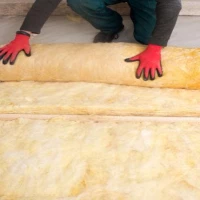
Mineral wool and fibreglass rolls – Widely used, cost-effective solutions for accessible lofts.
Blown-in loose-fill insulation – Ideal for irregular or hard-to-reach areas.
Rigid insulation boards – Commonly installed between rafters in loft conversions.
Natural insulation materials – Options such as sheep’s wool, hemp, or recycled fibres for eco-focused projects.
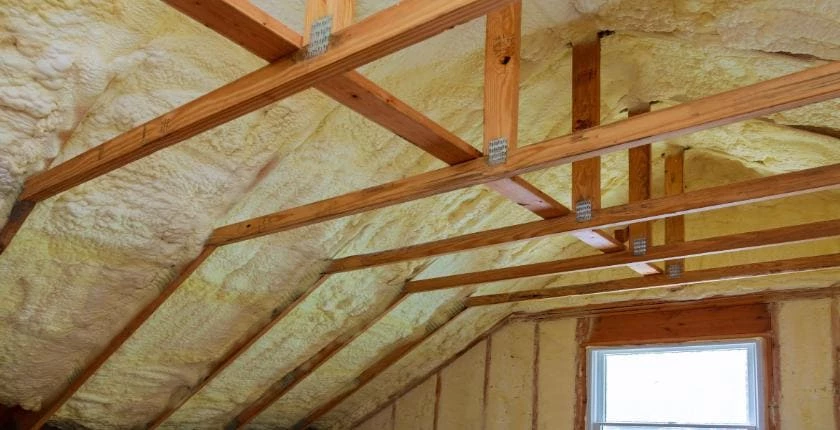
Spray foam insulation – Provides airtight performance where higher sealing levels are required.
What Energy Savings Can Loft Insulation Deliver?
Loft insulation can significantly reduce annual energy costs by minimising heat loss. Savings vary by property type and existing insulation levels, but well-insulated homes typically see noticeable reductions in heating bills.
Over time, these savings often offset the initial installation cost, making loft insulation one of the most cost-effective energy efficiency upgrades available.
Are Different Installation Methods Available for Loft Insulation?
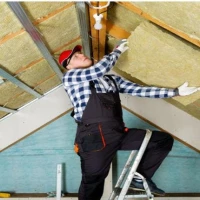
Loft insulation can be installed using rolled, blown-in, or spray foam methods depending on loft access, structure, and performance goals.
Rolled insulation is widely used for its affordability and ease of installation, while blown-in insulation is effective for cluttered or irregular lofts. Spray foam offers strong air-sealing performance but may require additional ventilation considerations.
How Long Does Loft Insulation Installation Take?
Loft insulation installation is usually completed within 1 to 2 days, depending on the size of the property and the scope of work involved.
Straightforward installations using rolled insulation can often be completed in a single day, while projects involving insulation removal, spray foam application, or additional boarding may take longer. A clear installation timeframe is typically confirmed following the initial survey.
Are Grants or Funding Schemes Available for Loft Insulation?
Loft insulation may be eligible for government-backed funding schemes such as ECO4, depending on household circumstances and eligibility criteria.
Some local authorities and energy providers also offer grants or subsidised installations as part of wider energy-efficiency initiatives. Availability and eligibility can change, so current options are usually reviewed during the quotation stage.
Which Building Regulations Apply to Loft Insulation?
Loft insulation must comply with UK Building Regulations, particularly Part L, which governs energy efficiency and thermal performance.
Minimum insulation standards – Achieving required U-values for roofs and loft spaces.
Ventilation requirements – Preventing condensation and moisture build-up.
Electrical safety considerations – Ensuring insulation does not compromise wiring or downlights.
Additional conversion rules – Fire safety and structural compliance for converted lofts.
Is Loft Insulation Suitable for New Builds and Existing Homes?
Loft insulation is suitable for both new construction and existing properties. New builds typically incorporate insulation during construction, while older homes benefit from retrofitting with modern materials. Solutions are available for traditional houses, converted lofts, heritage properties, and multi-storey buildings, with approaches adapted to suit each structure.
Contact Loft Creations to discuss insulation options, energy-saving benefits, and installation planning for your home.
Get in Touch
Skip to
Gallery