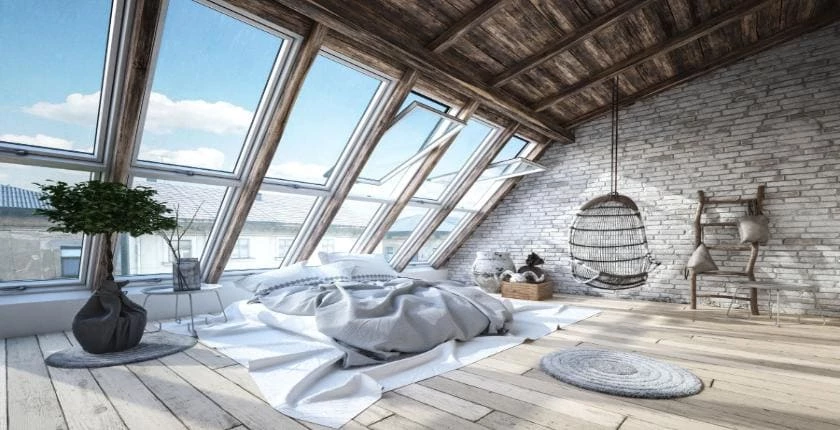
Loft Design
Get in TouchAt Loft Creations, thoughtful attic transformations are planned and developed for homes and across the UK, helping homeowners unlock additional space while preserving comfort, flow, and long-term value.
Every loft design is shaped around how the space will be used, how natural light is introduced, and how the new layout integrates seamlessly with the existing property.
From early concepts and layout planning to technical drawings and planning guidance, loft design services are structured to support a smooth transition from initial idea to build-ready plans.
What Factors Shape a Successful Loft Design?
Loft design begins with a detailed understanding of roof structure, available headroom, staircase positioning, and the intended function of the space.
Structural loading, insulation performance, ventilation, fire safety, and natural light all influence how the layout is formed and refined.
Decisions such as dormer versus rooflight solutions, stair placement to minimise space loss below, and built-in storage within eaves are key to achieving a practical, compliant, and well-balanced design.
How Much Does Professional Loft Design Cost?
The cost of loft design ranges from £1,500 to £5,000, depending on the complexity of the layout, level of customisation, and technical requirements involved.
Costs are mainly influenced by factors such as detailed site surveys, measured drawings, 3D visualisations, structural calculations, and whether planning applications or building regulation drawings are included as part of the service.
Contact Loft Creations to receive a clear, tailored breakdown of loft design costs and service options.
Which Loft Layout Options Work Best for Homes?
Loft design varies depending on property type, roof shape, and household needs, with common layout approaches including:
Rear dormer layouts – Frequently used in terraced homes to create full-height bedrooms and bathrooms.
Hip-to-gable layouts – Suitable for semi-detached and end-of-terrace properties, increasing usable floor area.
L-shaped loft layouts – Ideal for period homes, allowing multiple rooms or larger master suites.
Open-plan loft spaces – Used where height allows, creating flexible living or working areas with strong light flow.
Split-level loft layouts – Effective in properties with varied roof heights, creating defined zones for sleeping, storage, or workspace without fully dividing the space.
Can Skylights, En-Suites, and Storage Be Included in Loft Design?
Loft design commonly incorporates skylights, en-suite bathrooms, and tailored storage to maximise usability and comfort. Roof windows are carefully positioned to enhance daylight and ventilation without overheating the space.
En-suites are designed around efficient plumbing routes, while storage is integrated into sloped ceilings and eaves to keep floor areas open and functional.
Do Loft Designers Provide 3D Visualisations and Planning Support?
Many loft design services include 3D visualisations that allow homeowners to clearly understand scale, proportions, and layout before construction begins.
These visuals are supported by technical drawings, building regulation documentation, and assistance with planning submissions where required. Designers often coordinate with structural engineers and building control to ensure the loft design is fully viable and ready for construction.
Which Interior Styles Are Popular for Loft Design?
Loft design trends often balance aesthetics with practicality, with popular interior approaches including:
Modern minimalist interiors – Clean lines, neutral colour palettes, and concealed storage to enhance space.
Scandinavian-inspired designs – Light finishes, natural materials, and soft textures to improve brightness.
Industrial-style lofts – Exposed elements, darker accents, and statement lighting for character.
Period-inspired finishes – Traditional detailing combined with modern layouts and amenities.
What Common Loft Design Mistakes Should Be Avoided?
Loft design can be compromised by a number of avoidable issues if early planning is not thorough, including:
Insufficient headroom planning – Failing to confirm ridge height and usable ceiling space can result in layouts that feel cramped or fall short of compliance.
Poor staircase positioning – Incorrect stair placement can reduce usable space in the loft and negatively affect the layout of the floor below.
Underestimating insulation needs – Inadequate thermal or acoustic insulation can lead to heat loss, noise issues, and reduced comfort.
Inadequate ventilation design – Poor airflow planning can cause condensation, overheating, and long-term moisture problems.
Late structural considerations – Delaying structural calculations may lead to redesigns, added costs, or construction delays.
How Long Does the Loft Design Process Take?
The loft design process typically takes between 3 and 6 weeks, covering consultation, site survey, concept development, revisions, and preparation of technical drawings.
Where planning permission is required, additional time is needed for local authority review, which can extend the overall timeline. Beginning the loft design stage early helps prevent delays once construction scheduling becomes a priority.
Can Loft Design Be Adapted for Period and Modern Homes?
Loft design is adapted to suit both heritage properties and modern homes by respecting architectural context and planning constraints.
Period homes often retain original features such as visible rafters or traditional proportions, while modern properties focus on open layouts, clean finishes, and energy efficiency. Design decisions ensure the new space feels cohesive, balanced, and appropriate to the building.
Do Loft Designers Work With Builders and Local Authorities?
Loft design services frequently involve close coordination with local builders, structural engineers, and planning departments.
This collaboration helps ensure designs are practical to build, compliant with regulations, and accurately costed. Designers may also support the transition into construction by assisting with handovers and responding to technical queries during the build.
Contact Loft Creations to discuss your ideas, design options, and next steps for your loft project.
Get in Touch
Skip to
Gallery